
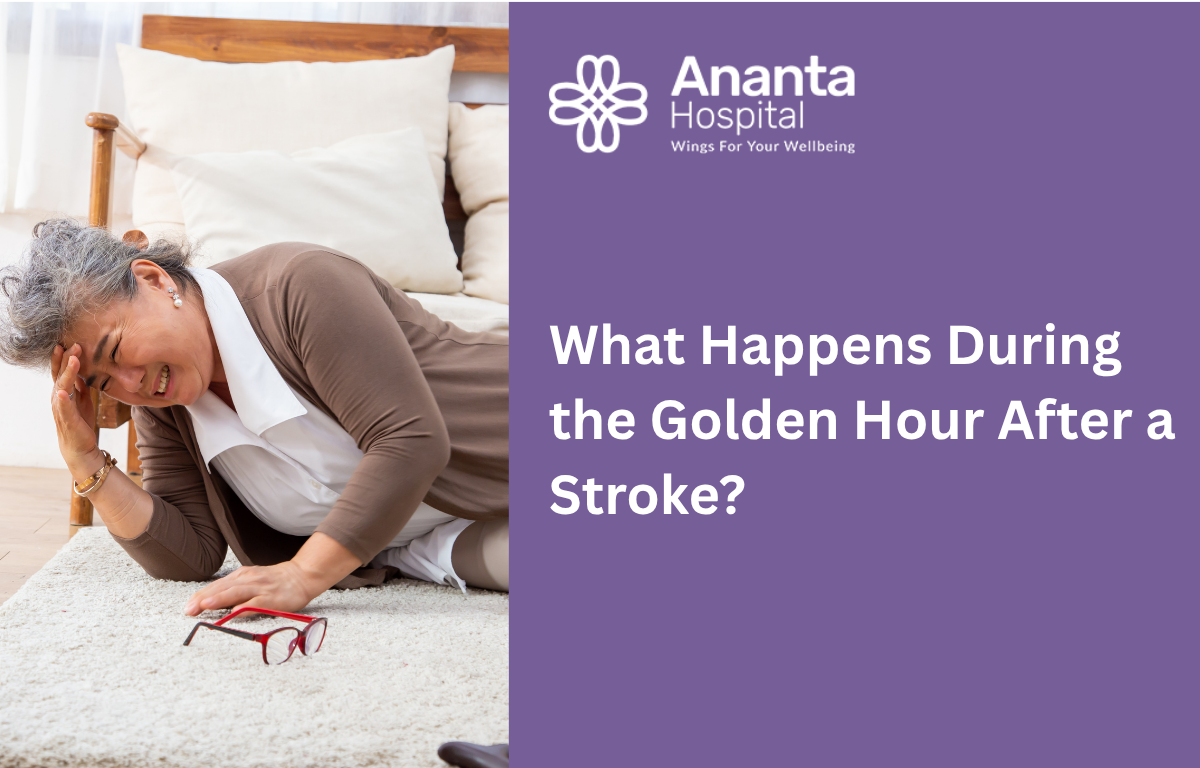
A stroke is a medical emergency in which every minute can make a difference. The first 60 minutes after symptoms begin are often called the golden hour because rapid medical evaluation and treatment may help reduce brain damage and improve the chances of recovery. Knowing what happens during this critical period can help patients and families respond quickly.
What Is the Golden Hour After a Stroke?
The golden hour refers to the early period after stroke symptoms appear when urgent medical attention is especially important. A stroke usually occurs when a blood clot blocks blood flow to part of the brain (ischemic stroke) or when a blood vessel in the brain ruptures (hemorrhagic stroke).
Brain cells need a continuous supply of oxygen and nutrients. When blood flow is interrupted, brain tissue can begin to become damaged quickly. This is why stroke treatment should never be delayed.
If someone develops sudden facial drooping, weakness or numbness on one side of the body, difficulty speaking, confusion, vision problems, dizziness, or a severe unexplained headache, seek emergency medical care immediately.
What Happens First?
1. Emergency Assessment
When the patient reaches the hospital, the medical team quickly checks vital signs, blood pressure, blood sugar, oxygen levels, and neurological function. Doctors may ask when the symptoms started or when the patient was last known to be well.
This timing is extremely important because some stroke treatments are most effective when given within specific time windows.
2. Brain Imaging
A CT scan or MRI may be performed to determine what type of stroke has occurred. Imaging helps doctors identify whether there is bleeding in the brain or a blocked blood vessel.
This distinction is essential because treatments for an ischemic stroke are different from treatments for a hemorrhagic stroke.
3. Blood Tests and Other Investigations
Doctors may order blood tests, an ECG, and other investigations to understand the patient’s overall condition and identify possible causes or risk factors. These tests can also help determine whether certain treatments are safe.
How Is an Ischemic Stroke Treated?
For an ischemic stroke caused by a blood clot, eligible patients may receive a clot-dissolving medicine called thrombolytic therapy. The decision depends on factors such as the time since symptoms began, brain imaging results, medical history, and bleeding risk.
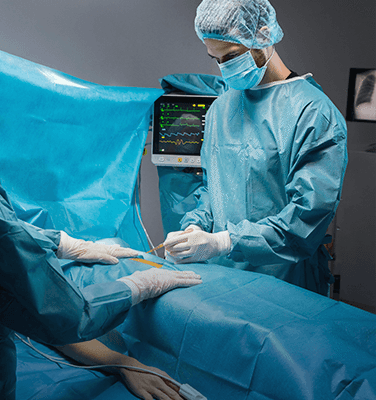
For some patients with a large blood clot blocking a major brain artery, doctors may perform mechanical thrombectomy. This minimally invasive procedure uses a catheter to reach and remove the clot, restoring blood flow to the brain.
Not every stroke patient is suitable for these treatments, so urgent assessment by a stroke team is essential.
What Happens During a Hemorrhagic Stroke?
A hemorrhagic stroke occurs when a blood vessel ruptures and causes bleeding in or around the brain. Treatment focuses on controlling bleeding, managing blood pressure, reducing pressure inside the skull when necessary, and addressing the underlying cause.
In certain situations, neurosurgical or endovascular treatment may be required. The medical team will decide the most appropriate approach based on the location and severity of the bleeding.
Why Every Minute Matters
The brain has a limited tolerance for interrupted blood flow. Delaying emergency treatment can allow more brain tissue to become permanently damaged. Early treatment may help preserve brain function and reduce the risk of long-term disability.
For this reason, patients should not wait for symptoms to disappear or attempt to drive themselves to the hospital. Calling emergency medical services can allow treatment to begin sooner and help the patient reach an appropriate emergency facility.
Remember FAST Stroke Symptoms
One simple way to recognize common stroke warning signs is FAST:
- F – Face: Ask the person to smile. Does one side of the face droop?
- A – Arms: Ask the person to raise both arms. Is one arm weak or drifting downward?
- S – Speech: Is speech slurred, unclear, or difficult to understand?
- T – Time: Call emergency medical services immediately.
Other symptoms can include sudden vision changes, loss of balance, severe dizziness, confusion, or a sudden severe headache.
What Happens After the Golden Hour?
Emergency treatment does not end after the first hour. Once the patient’s condition is stabilized, doctors continue monitoring brain function and vital signs. Depending on the severity of the stroke, further treatment may focus on preventing another stroke, managing risk factors, and beginning rehabilitation.
Rehabilitation can include physiotherapy, occupational therapy, speech therapy, and other supportive care. Recovery varies from person to person and may take weeks, months, or longer.
Why Choose Ananta Hospital for Stroke Care?
Ananta Hospital focuses on timely medical evaluation and coordinated care for patients requiring emergency and specialized treatment. Stroke care may involve emergency physicians, neurologists, radiologists, neurosurgeons, critical-care specialists, nurses, and rehabilitation professionals working together.
If stroke symptoms appear, the most important step is not to wait. Immediate medical evaluation can help doctors determine the cause of the stroke and whether emergency treatment is appropriate.
Final Thoughts
The golden hour after a stroke is a critical period when fast recognition, diagnosis, and treatment can have a major impact on outcomes. If you notice possible stroke symptoms, remember FAST and seek emergency medical care immediately.
Do not wait for symptoms to improve on their own. In stroke care, every minute matters.