

A cancer diagnosis can be overwhelming, especially when you are unsure about what happens next. An oncologist is a doctor who specializes in diagnosing, treating, and managing cancer. From identifying the type and stage of cancer to selecting the most suitable treatment, an oncologist guides patients through each step of their cancer care journey.
If you are researching cancer treatment options or comparing hospitals, understanding the role of an oncologist can help you make informed decisions. Patients may also come across hospitals such as Ananta Hospital while exploring healthcare options. However, cancer treatment should always be planned according to the individual patient’s condition, cancer type, stage, and overall health.
What Does an Oncologist Do?
An oncologist specializes in cancer care. Their role can include evaluating symptoms, confirming a diagnosis, determining how advanced the cancer is, recommending treatment, monitoring the response to therapy, and managing treatment-related side effects.
There are different types of oncologists:
- Medical oncologists use medicines such as chemotherapy, targeted therapy, immunotherapy, and hormone therapy.
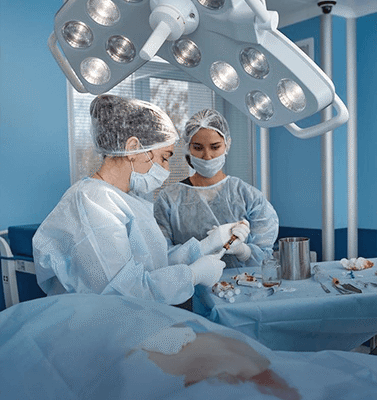
- Surgical oncologists perform operations to remove cancerous tumors or affected tissues.
- Radiation oncologists use radiation therapy to destroy or control cancer cells.
Depending on the cancer, a patient may need care from one or more of these specialists.
How Is Cancer Diagnosed?
Cancer diagnosis usually involves several steps rather than a single test. The oncologist reviews the patient’s symptoms, medical history, family history, and previous test results before recommending further investigations.
1. Medical History and Physical Examination
The process often begins with a detailed discussion about symptoms and health history. The doctor may ask about unexplained weight loss, persistent pain, unusual bleeding, lumps, changes in bowel or bladder habits, prolonged cough, or other symptoms.
A physical examination may also help identify abnormalities such as swelling, enlarged lymph nodes, or a visible or palpable lump.
2. Blood and Laboratory Tests
Blood tests can provide useful information about overall health and may sometimes indicate that something requires further investigation. Certain cancers can also produce substances known as tumor markers, which may be measured through blood tests.
However, blood tests alone usually cannot confirm cancer. They are generally used alongside imaging and other diagnostic methods.
3. Imaging Tests
Imaging allows doctors to look inside the body and identify abnormal areas. Depending on the suspected cancer, an oncologist may recommend:
- X-rays
- Ultrasound
- CT scans
- MRI scans
- PET scans
- Mammography
The choice of imaging depends on the symptoms, suspected cancer, and location of the abnormality.
4. Biopsy
A biopsy is often one of the most important steps in confirming cancer. During a biopsy, a small sample of tissue or cells is collected from the suspicious area and examined under a microscope.
A pathologist studies the sample to determine whether cancer cells are present and, when possible, identifies the specific type and characteristics of the cancer.
How Does an Oncologist Determine the Cancer Stage?
Once cancer is confirmed, the next step is usually staging. Cancer staging helps doctors understand how large the tumor is and whether it has spread to nearby lymph nodes or other parts of the body.
Many cancers are described using stages from 1 to 4, although staging systems vary depending on the cancer type.
Additional imaging, biopsies, or laboratory tests may be needed to determine the stage. Knowing the stage helps the oncology team develop a treatment plan and estimate how the cancer may respond to treatment.
How Is Cancer Treated?
Cancer treatment is not the same for everyone. The oncologist considers the cancer type, stage, location, tumor characteristics, age, general health, and personal preferences before recommending treatment.
Surgery
Surgery may be recommended when a tumor can be safely removed. Surgical treatment can sometimes eliminate localized cancer or reduce the amount of cancer that remains before or after other treatments.
Chemotherapy
Chemotherapy uses medicines designed to kill cancer cells or stop them from multiplying. It may be given before surgery, after surgery, or as the main treatment for certain cancers.
Because chemotherapy can also affect healthy rapidly dividing cells, patients may experience side effects such as fatigue, nausea, hair loss, or changes in blood counts. Doctors can provide medicines and supportive care to manage many of these effects.
Radiation Therapy
Radiation therapy uses high-energy radiation to damage and destroy cancer cells. It may be used to treat a tumor, reduce the risk of cancer returning, or relieve symptoms such as pain caused by advanced cancer.
Targeted Therapy
Targeted medicines are designed to act on specific changes or proteins involved in cancer growth. Before using some targeted treatments, doctors may perform molecular or biomarker testing to determine whether the cancer has a target that the medicine can act on.
Immunotherapy
Immunotherapy helps the body’s immune system recognize and fight certain cancer cells. It has become an important treatment option for several types of cancer, although it is not suitable for every patient.
Hormone Therapy
Some cancers depend on hormones to grow. Hormone therapy can reduce or block these hormones and may be used for cancers such as certain breast and prostate cancers.
Why Is Follow-Up Important?
Cancer care does not necessarily end when the main treatment is completed. Regular follow-up appointments help the medical team monitor recovery, check for signs of recurrence, manage long-term side effects, and address new health concerns.
Follow-up care may include physical examinations, blood tests, scans, or other investigations depending on the type of cancer and treatment received.
When Should You See an Oncologist?
Not every unusual symptom means cancer. However, persistent or unexplained symptoms should not be ignored. A doctor may recommend an oncology consultation when tests show a suspicious growth, biopsy results indicate cancer, or there is a concern that a cancer may have returned or spread.
Early evaluation can help establish the correct diagnosis and allow appropriate treatment to begin when needed.
Conclusion
An oncologist plays a central role in cancer diagnosis and treatment. The process typically includes medical evaluation, laboratory tests, imaging, biopsy, cancer staging, and development of an individualized treatment plan. Depending on the cancer, treatment may involve surgery, chemotherapy, radiation therapy, targeted therapy, immunotherapy, hormone therapy, or a combination of approaches.
If you or someone in your family has been diagnosed with cancer, speak with a qualified oncology team to understand the diagnosis and available treatment options. Choosing experienced specialists and a hospital with appropriate diagnostic and treatment facilities can help patients receive coordinated cancer care.